
Non-contact object capture
Plan photogrammetry, LiDAR, or multispectral imaging with approved low-heat lighting. Check targets, colour references, and the light budget before capturing any original.
04.01 · Global Art & Culture
We design and install digital interpretation for permanent galleries and temporary exhibitions. The work starts with what visitors should understand and what a conservator can safely permit. We then integrate content, media devices, lighting, audio, and show controls into a maintainable gallery system.
Make collection detail visible without adding handling risk.
Discuss this service ↗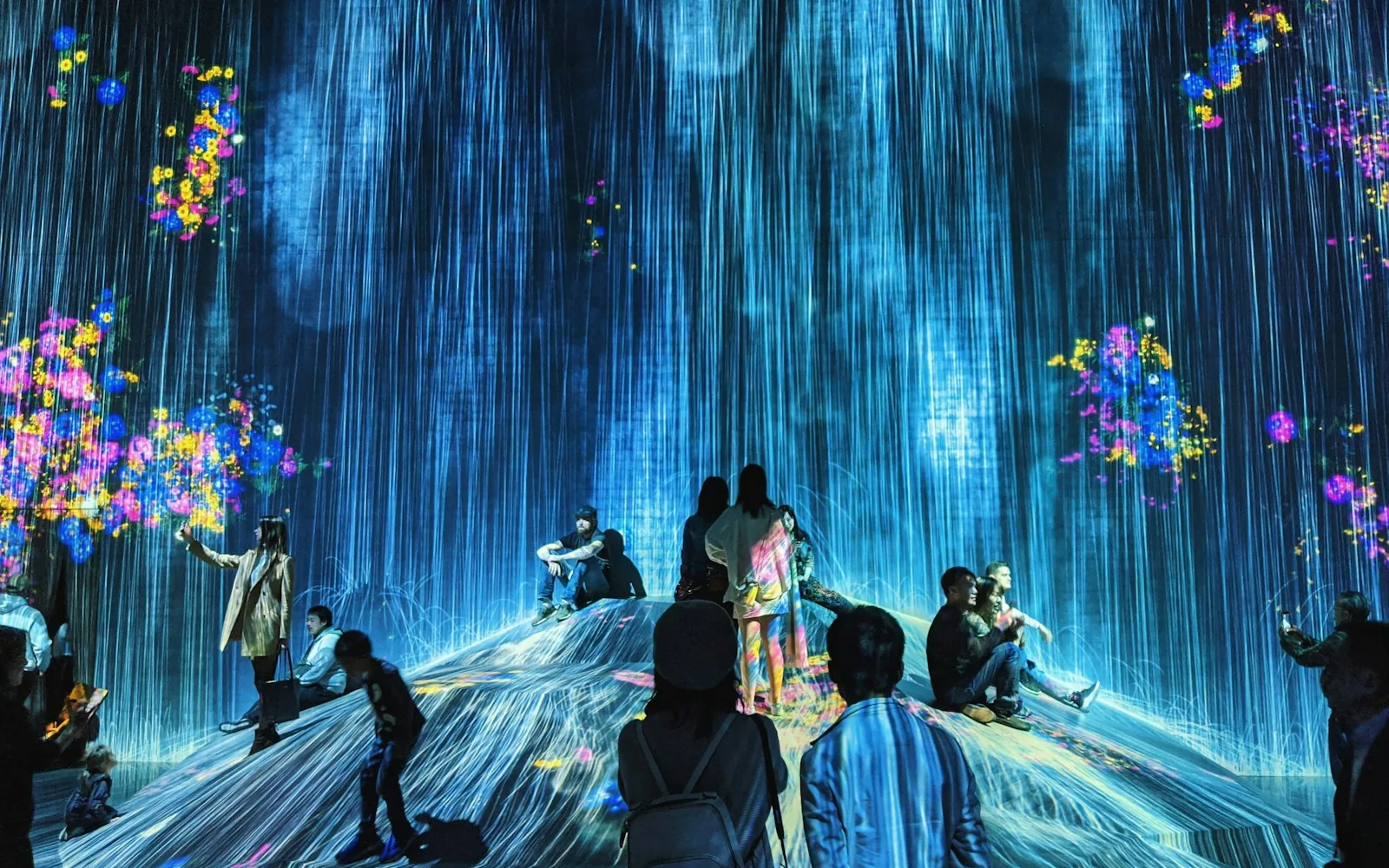 04.01
Remote media development and on-site installation through an agreed venue and production team.
Service scope
Plan photogrammetry, LiDAR, or multispectral imaging with approved low-heat lighting. Check targets, colour references, and the light budget before capturing any original.
Let groups explore catalogue detail, timelines, and comparative imagery. Tune touch regions and layout to the gallery’s expected dwell time and visitor flow.
Align projection geometry and sound zones to the gallery layout. Control stray light, sound spill, and access to the main circulation route.
Present a reconstruction through transparent displays or camera-based interaction where appropriate. Mark reconstructed elements and provide captions, audio description, and a non-immersive alternative.
Integrate DMX or DALI lighting, audio, and playback with opening, standby, and emergency states. Train gallery staff to isolate a faulty unit and restore an approved scene.
Implementation
Measure object clearances, light, acoustics, power, network connectivity, and access routes with the venue.
Survey and conservation constraintsReview storyboards, camera access, interface readability, and motion comfort with representative viewers.
Interaction prototype and review notesPrepare capture masters, delivery derivatives, translations, playback settings, and show-control states.
Media library and control schematicMeasure the installed experience under operating conditions and rehearse restart, captioning, and faults with the venue team.
Installation acceptance record and operator handbookFAQ
Yes. We review source resolution, colour, rights, and catalogue identifiers. We then choose between reusing assets, recapturing selected items, or adapting the interaction.
We measure the installation in its operating position and document illuminance and exposure time against the limits set by the conservator. Baffles, scheduling, or separate projection surfaces can reduce exposure.
The control plan identifies local fallback media, a safe stop state, and restart steps. During handover, venue operators rehearse fault isolation and recovery.
Global Art & Culture
 04.02
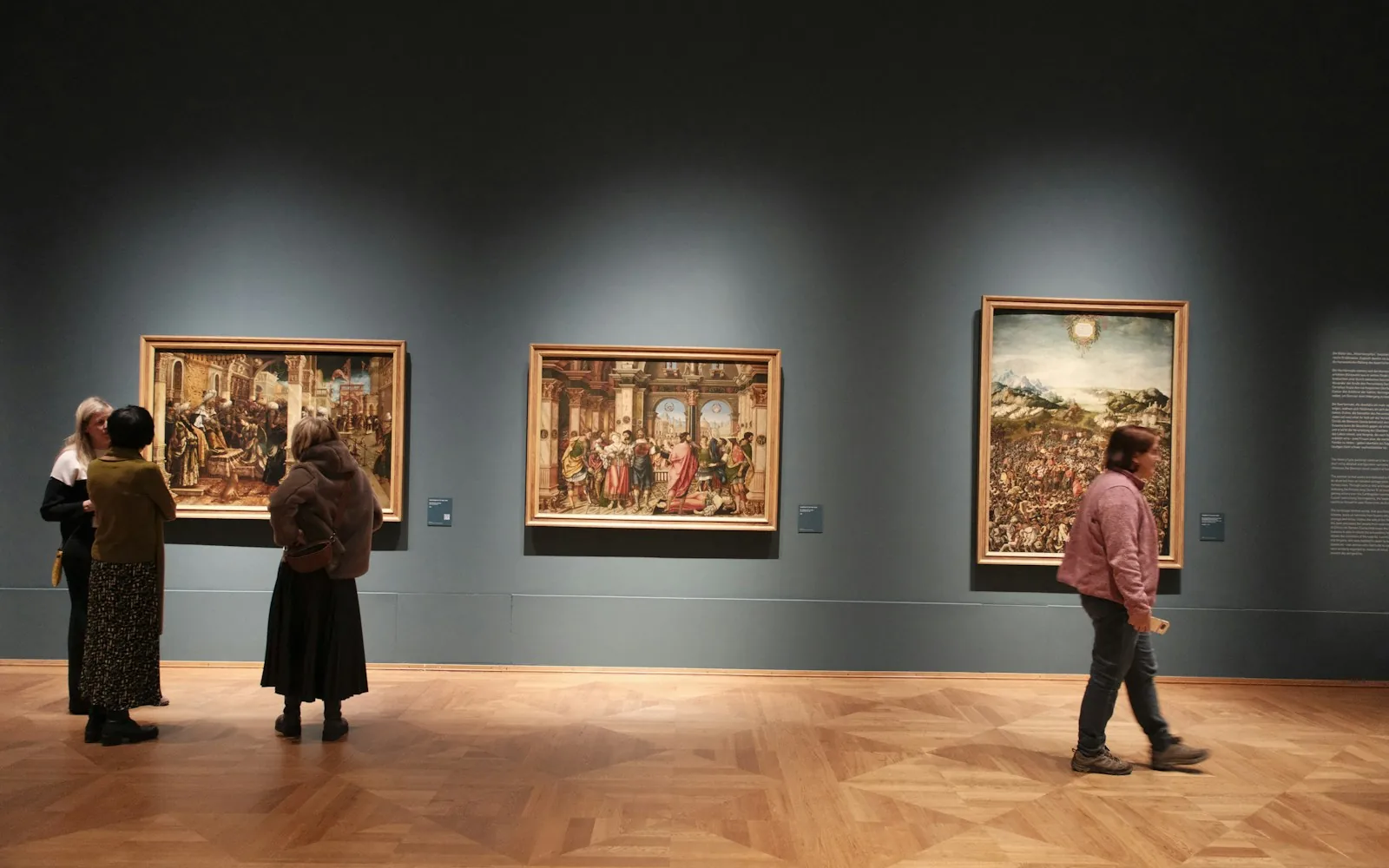
Carry one curatorial argument through every venue and collection handover.
 04.03
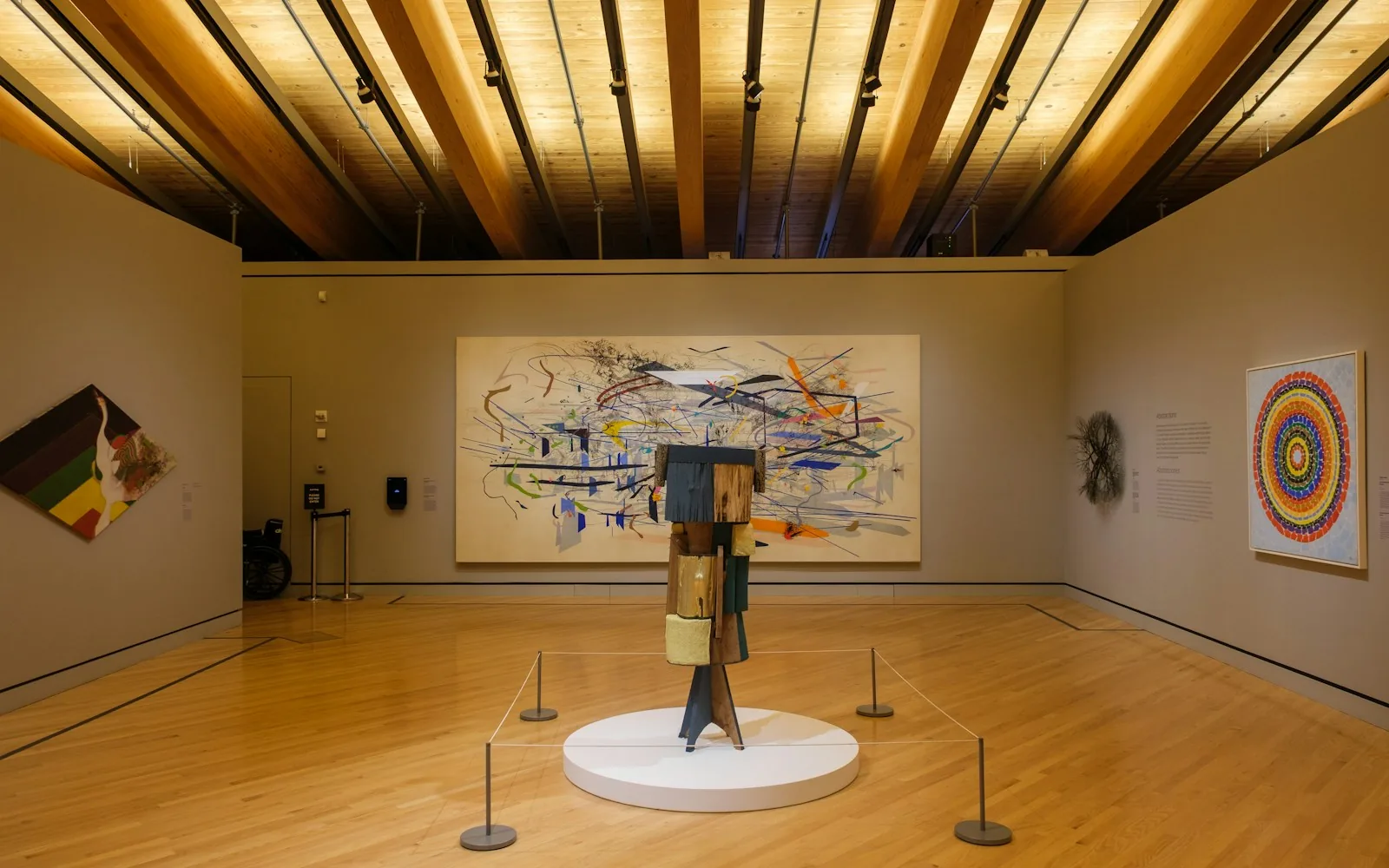
Give online audiences a way into the collection at their own pace.
 04.04
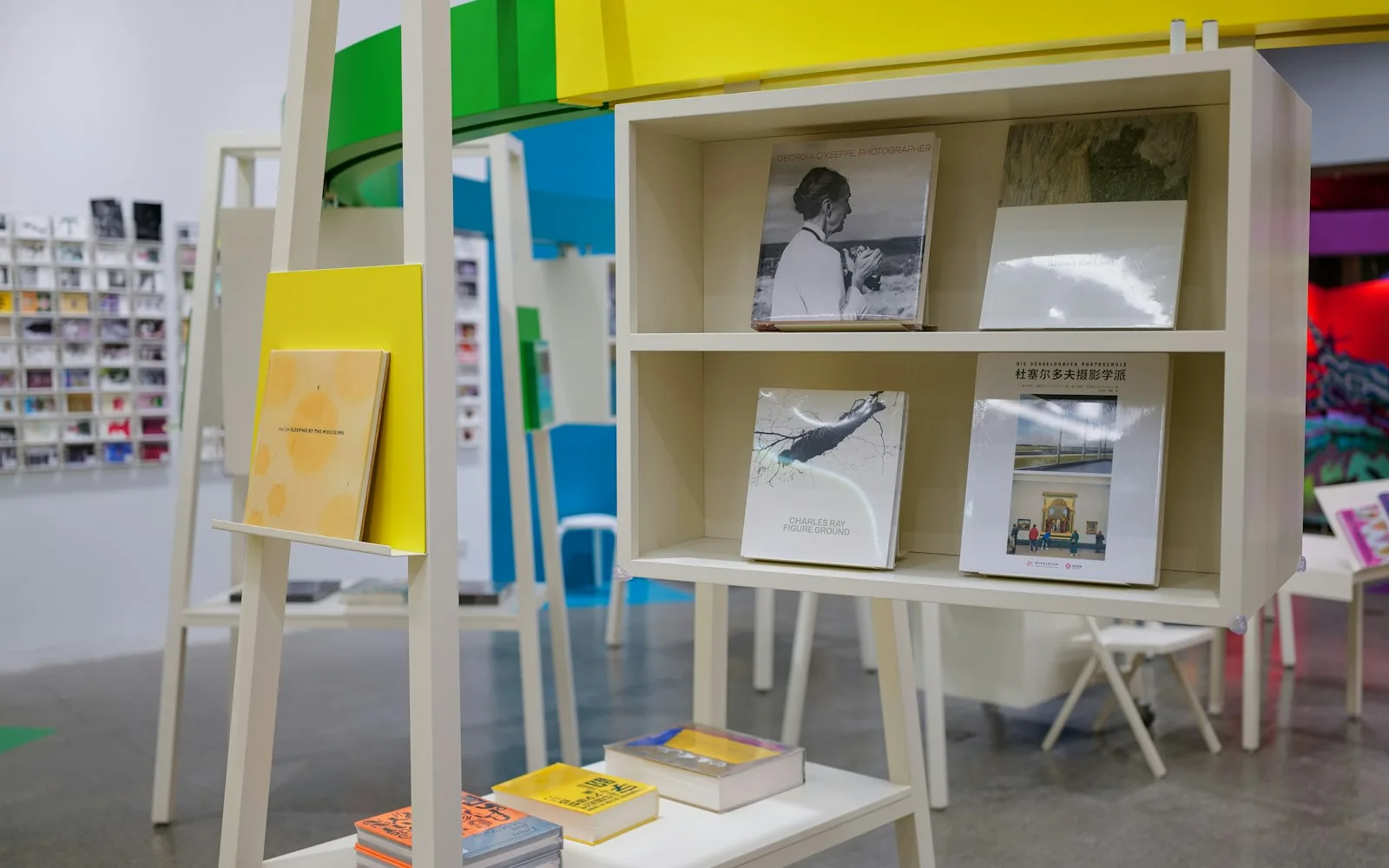
Publish scholarship that can travel from the gallery to bookshops and media.
Choose the division that best fits your project. The contact guide prepares a structured email for you to review and send.