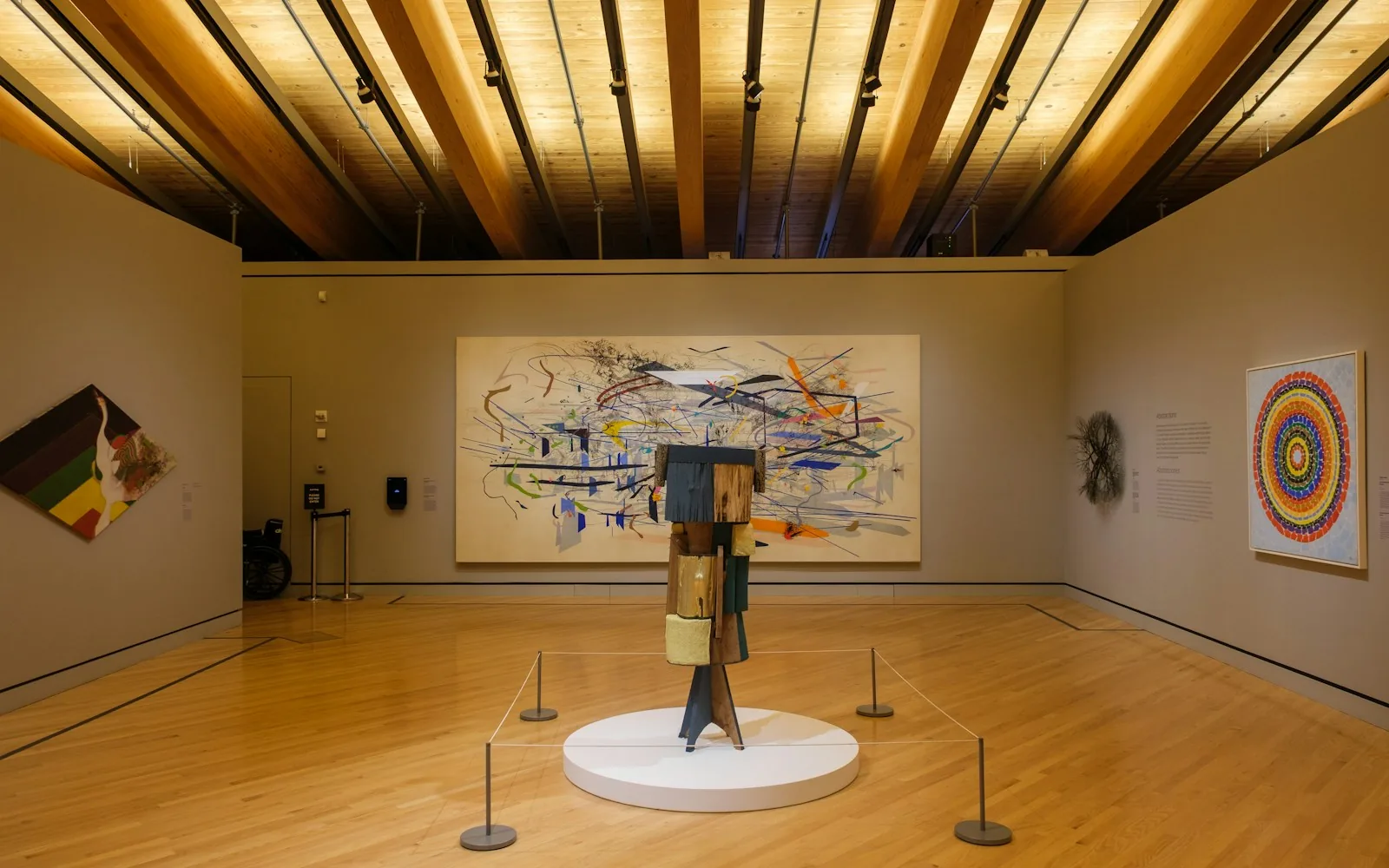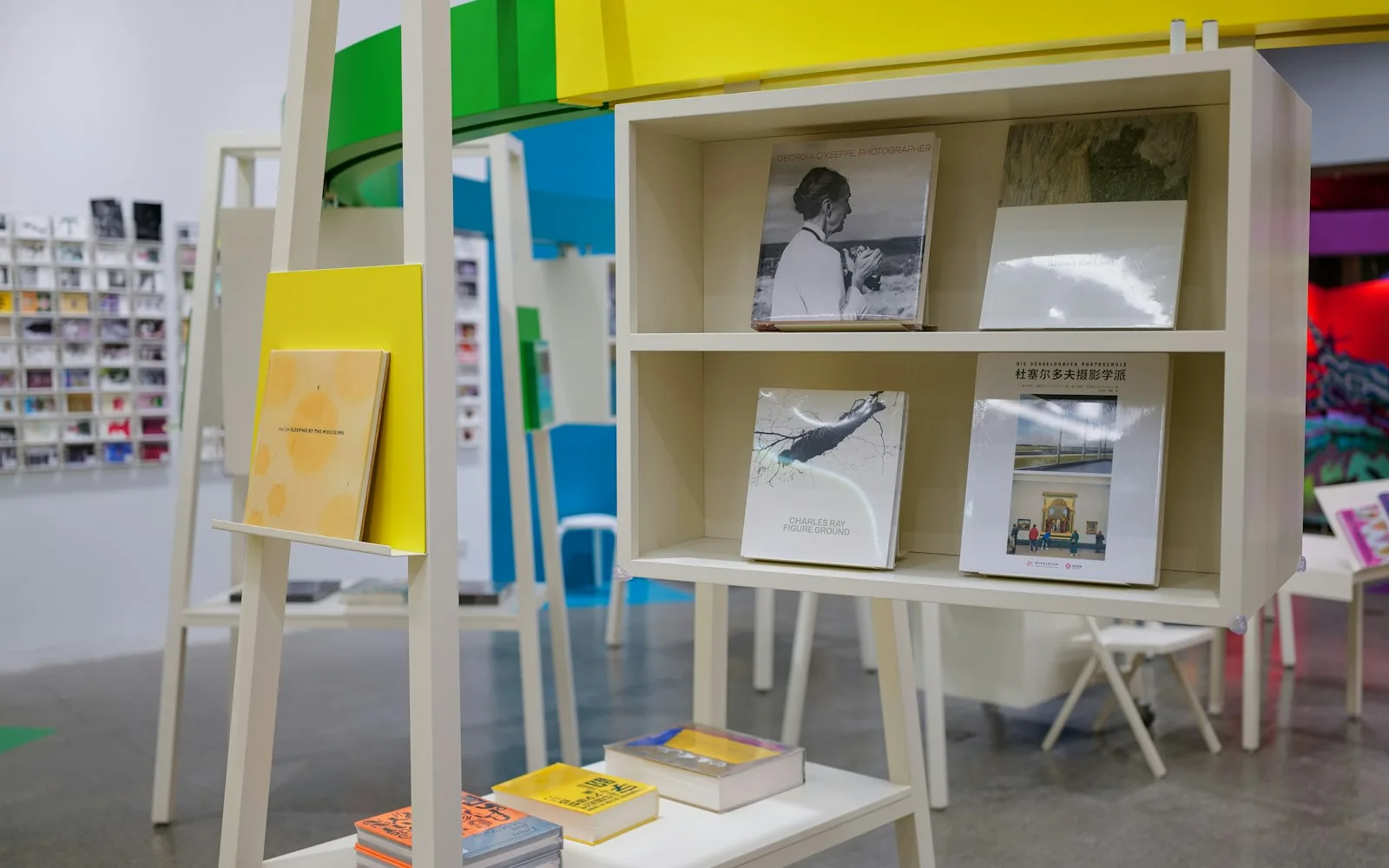
Scholarly curation and label editing
Build selection criteria, reference lists, and interpretive hierarchy. Edit multilingual labels with curators and reconcile object names, dates, and credits.
04.02 · Global Art & Culture
MaxWee supports the research, spatial planning, production, and tour operations behind collection-based exhibitions. A shared itinerary and object register connect the scholarly narrative with lender requirements, install plans, and local programmes at each venue.
Carry one curatorial argument through every venue and collection handover.
Discuss this service ↗ 04.02
Cross-border tours are scoped by venue readiness, route feasibility, and lender permissions in Europe, Asia Pacific, and other agreed markets.
Service scope
Build selection criteria, reference lists, and interpretive hierarchy. Edit multilingual labels with curators and reconcile object names, dates, and credits.
Plan accessible circulation, non-glare lighting, stabilized display-case microclimates, and monitoring. Design for ≤50 lux where the lender or conservator sets that limit.
Develop modular, demountable components with repeatable installation details. Document packing volume, replacements, and reuse targets with the venues.
Coordinate specialist fine-art carriers, shock-protective climate-appropriate crates, insurance documentation, and condition sign-offs at each transfer. Prepare ATA Carnet paperwork when eligibility is confirmed.
Coordinate scholarly talks, educator resources, audience guides, and runs of show. Confirm local speaker access and accessible participation arrangements at each venue.
Implementation
Check proposed dates, facility reports, lender conditions, border crossings, and lead times with each partner venue.
Tour calendar and feasibility registerApprove the exhibition narrative, object placement, lighting, case conditions, and a modular structure that can be rebuilt on each site.
Venue plans, fixtures, and catalogue specificationsMatch object identifiers to packing lists, condition records, paired photographs, and insurer requirements before handover.
Transit dossier and approved handover checklistSupervise unpacking, loan condition checks, lighting measurements, accessibility testing, and the opening rehearsal.
Installation sign-off and venue operations notesDocument deinstallation, the outgoing condition, return or onward shipping, and temporary admission closeout with the appointed parties.
Signed return or onward handover recordFAQ
We design modular components around common dimensions, then prepare a venue-specific layout and check circulation, loading access, and structural interfaces at each station.
Lenders and conservators agree on conditions by object. The venue confirms it can maintain and monitor temperature, relative humidity, cumulative light exposure, and other required conditions.
A carnet handles eligible temporary admission. Check cultural-property controls independently and make the relevant licences or authorizations part of the shipping dossier.
Global Art & Culture
Choose the division that best fits your project. The contact guide prepares a structured email for you to review and send.